How can we help
Please let us know what you need, and one of our team will get back to you promptly
Please let us know what you need, and one of our team will get back to you promptly
Articles
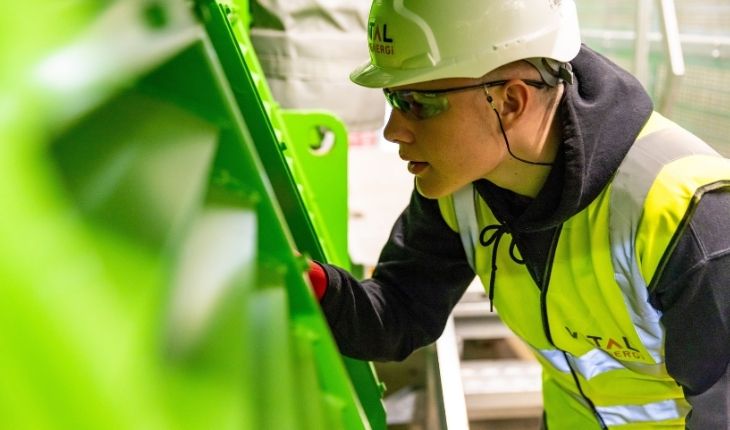
Root cause analysis in maintenance is a structured process for tracing a failure back through its contributing factors until the true, underlying cause is identified rather than just the symptom.
Done properly, it replaces guesswork with evidence, so the fix addresses why an asset failed, not just what failed.
Teams that skip this step tend to keep repairing the same fault, on the same asset, indefinitely.
Reliability engineers and maintenance supervisors are under more pressure than most to justify their time. Budgets are tight, technician hours are scarce, and every repeat breakdown eats into both. When the same asset fails for the third or fourth time in a year, it is rarely bad luck. It is usually a sign that the previous repair addressed a symptom rather than a cause.
This matters more now than it used to. Ageing assets, leaner maintenance teams, and growing compliance expectations mean there is less tolerance for unplanned downtime. A disciplined root cause analysis maintenance method gives supervisors a repeatable way to break the fix-fail-fix cycle, rather than relying on the instinct of whichever technician happens to be on shift.
Root cause analysis, often shortened to RCA, is the practice of working backwards from a failure event to find the earliest point in the chain where something could have been done differently to prevent it. In a maintenance context, this usually means separating three layers of cause:
Most reactive maintenance only ever addresses the first layer. RCA forces the investigation further, into the second and third.
A consistent method matters more than any single tool. The following six steps work for most asset failures, from HVAC units to production line equipment.
The 5 whys is a simple interrogation method: state the failure, ask why it happened, then ask why again in response to that answer, continuing until further questioning stops producing new information, usually around the fifth iteration. It works because most people stop investigating one or two layers too early, at the point where a plausible-sounding answer appears.
The technique is not about hitting exactly five whys. Some failures resolve in three, others need seven. The discipline is in refusing to accept an answer that describes a symptom as if it were a cause.
Consider a circulation pump that has failed twice in six months.
The root cause here is not bearing failure, and it is not even the missed lubrication task. It is a data entry error at asset setup, sitting inside the wider maintenance programme. The corrective action is not "replace the bearing again". It is auditing how new assets are entered into the maintenance schedule, a process failure that a well-configured facility management system is designed to catch through mandatory scheduling fields and automated overdue alerts.
Even teams that understand the method can undermine it through a handful of recurring mistakes:
Root cause analysis maintenance work is only as strong as the evidence behind it. Teams that document asset history, work orders and maintenance schedules consistently will always find true root causes faster than those working from memory and paper records.
Building that discipline into daily practice, rather than treating it as a once-off investigation exercise, is what separates reliable maintenance operations from teams stuck repairing the same fault on repeat.
If your team is ready to put a structured RCA process on a more reliable footing, FMI Works brings asset history, work orders and maintenance scheduling into a single system, giving investigations a proper evidence trail to work from. You can book a demo to see how it fits your current maintenance workflow.
Schedule a free demo of FMI Works to discover how we can help you centralise and streamline your facilities management processes.


Explore latest industry insights, news and updates from the FMI Blog.
Subscribe to our monthly newsletter to get practical insights, industry updates, product news, and expert resources delivered to your inbox.